


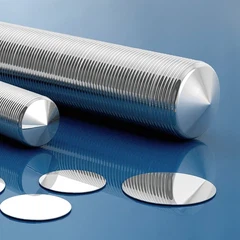




The main purposes of wafer thinning include the following aspects:

1. Improving Heat Dissipation Performance
Explanation: Wafer thinning significantly enhances the chip's heat dissipation performance. Thinner wafers conduct heat more efficiently, preventing overheating and improving device reliability and performance.
Steps: Thinned wafers require thermal management during packaging and testing to ensure effective heat dissipation in real-world applications.
2. Adapting to Packaging Requirements
Explanation: Modern semiconductor devices increasingly demand thin and compact packaging. Thinner wafers enable smaller, lighter packages, meeting the needs of mobile and portable devices.
Steps: After thinning, subsequent packaging processes (e.g., flip-chip packaging) are necessary to ensure mechanical strength and electrical connectivity.
3. Increasing Mechanical Flexibility
Explanation: Thinned wafers are more flexible, making them suitable for specialized applications like wearable devices or flexible electronics.
Steps: Post-thinning, mechanical strength and toughness tests must be conducted to ensure durability under real-world stresses.
4. Improving Device Performance
Explanation: Thinning reduces parasitic effects, particularly in high-frequency applications. Thinner wafers decrease parasitic capacitance, enhancing electrical performance.
Steps: After thinning, electrical performance testing is required to verify improvements in high-frequency applications.
5. Improving Yield
Explanation: The thinning process removes surface defects and stresses introduced during manufacturing, improving final chip yield.
Steps: Precision grinding and polishing are essential during thinning to eliminate defects without introducing new ones.


