







Product Description
Monocrystalline Silicon Solar Panels are made from a single crystal of silicon, so their internal structure is highly ordered and electrons can easily pass through. This makes them more efficient than other types of solar panels, with efficiency ratings ranging from 17% to 22%. Monocrystalline silicon solar panels are also known for their smooth, dark blue exterior and rounded edges.
The monocrystalline silicon solar panels have a blueish color and are aesthetically pleasing. They are durable and can last for up to 25 years, making them a cost-effective investment for renewable energy. The energy efficiency of these solar panels is high, allowing them to generate more electricity than other types of panels, making them ideal for both residential and commercial purposes.

Product introduction
|
Cell |
Mono |
Mono |
Mono |
Mono |
Mono |
Mono |
|
No. of cells |
132(6×22) |
120(6×20) |
144(6×24) |
144(6×24) |
144(6×24) |
144(6×24) |
|
Rated Maximum Power(Pmax) |
660W |
600W |
550W |
|
460W |
410W |
|
Maximum Efficiency |
21.25% |
21.3% |
21.3% |
|
|
20.4% |
|
Junction Box |
IP68 |
IP68 |
|
IP68 |
IP68 |
|
|
Maximum System Voltage |
1000V/1500V |
1000V/1500V DC |
1000V/1500V DC |
1500V DC |
1000V/1500V DC |
1000V/1500V DC |
|
Operating Temperature |
-40℃~+85℃ |
-40℃~+85℃
|
-40℃~+85℃ |
-40℃~+85℃
|
-40℃~+85℃ |
-40℃~+85℃ |
Key features
● Higher output power
● Lower temperature coefficient
● Less shading effect
● Better mechanical loading tolerance
Product Picture


Three types of solar panels

Monocrystalline
Monocrystalline solar panels are the most popular solar panels used in rooftop solar panel installations today.
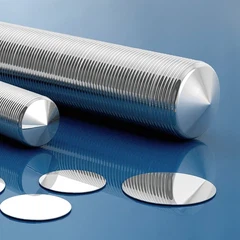
Monocrystalline silicon solar cells are manufactured using something called the Czochralski method, in which a 'seed' crystal of silicon is placed into a molten vat of pure silicon at a high temperature.
This process forms a single silicon crystal, called an ingot, that is sliced into thin silicon wafers which are then used in the solar modules.

Polycrystalline
Polycrystalline panels, sometimes referred to as 'multicrystalline panels', are popular among homeowners looking to install solar panels on a budget.
Similar to monocrystalline panels, polycrystalline panels are made of silicon solar cells. However, the cooling process is different, which causes multiple crystals to form, as opposed to one.
Polycrystalline panels used on residential homes usually contain 60 solar cells.

Thin-film
Thin film solar cells are mostly used in large-scale industrial and utility solar installations because of their lower efficiency ratings.
Thin film solar panels are made by depositing a thin layer of a photovoltaic substance onto a solid surface, like glass. Some of these photovoltaic substances include Amorphous silicon (a-Si), copper indium gallium selenide (CIGS), and cadmium telluride (CdTe). Each of these materials creates a different 'type' of solar panel, however, they all fall under the thin film solar cell umbrella.
During the manufacturing process, the photovoltaic substance forms a thin lightweight sheet that is, in some cases, flexible.
What is the best type of solar panel for your home?
Monocrystalline solar panels are the best type of solar panel for residential solar installations.
While they will cost slightly more, you will get a sophisticated-looking system without sacrificing performance or durability. Additionally, the high efficiency and high power output ratings of monocrystalline panels can give you better savings over the life of the system.
If you are on a budget, polycrystalline panels may be a better fit for you. We do not recommend thin-film solar panels for residential installations - their performance and durability are not worth the low cost, and it is unlikely that you will have enough space to install the number of thin-film panels required to meet your home's electricity consumption.
Here is a quick summary to help you choose the right product for your home!
Monocrystalline solar panels
Feature a sleek, black appearance and high-quality silicon
Take up less space and last longer
Formed through an energy-intensive production process that produces a lot of waste
Polycrystalline solar panels
Feature visible crystals, a more dispersed appearance, and lower-quality silicon
Require slightly more space to produce the same amount of energy than black panels
Simple production process with minimal waste
More affordable
Why Choose Us
Our products are sourced exclusively from the world's top five manufacturers and leading domestic factories. Supported by highly skilled domestic and international technical teams and stringent quality control measures.
Our objective is to provide customers with comprehensive one-on-one support, ensuring smooth channels of communication that are professional, timely, and efficient. We offer a low minimum order quantity and guarantee swift delivery within 24 hours.
Factory Show
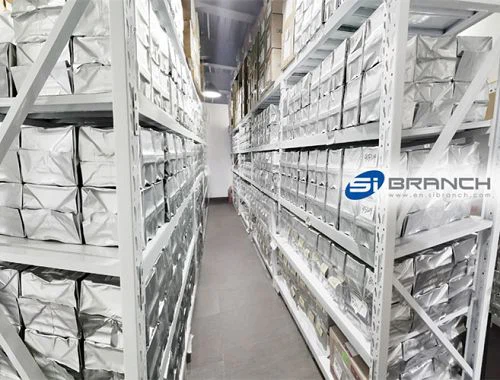
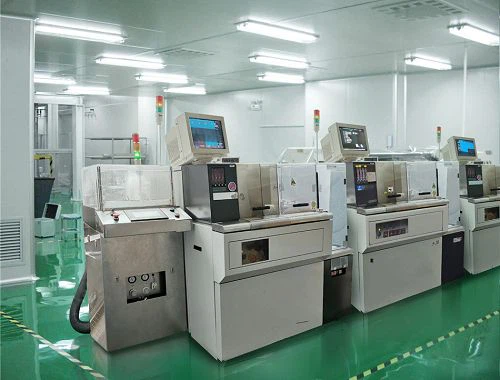
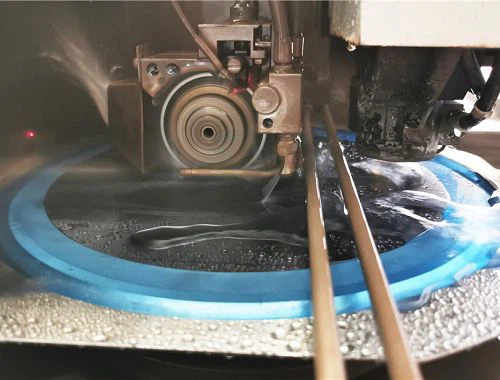
Our vast inventory consists of 1000+ products, ensuring that customers can place orders for as little as one piece. Our self-owned equipments for dicing & backgrinding, and full cooperation in the global industrial chain enable us prompt shipment to ensure customer one-stop satisfaction and convenience.
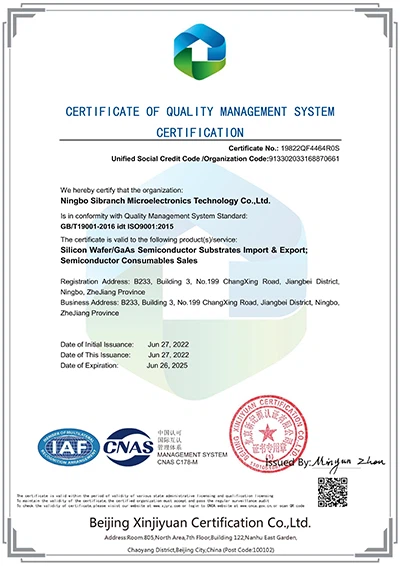
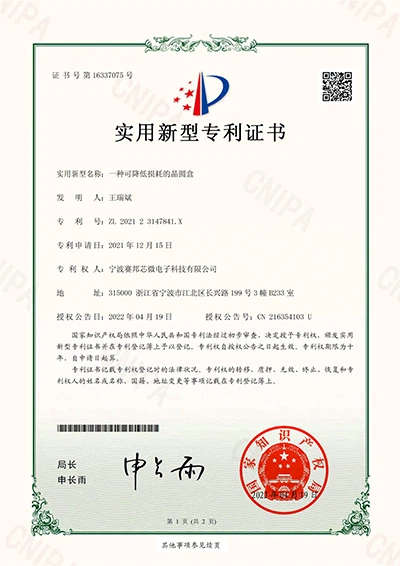
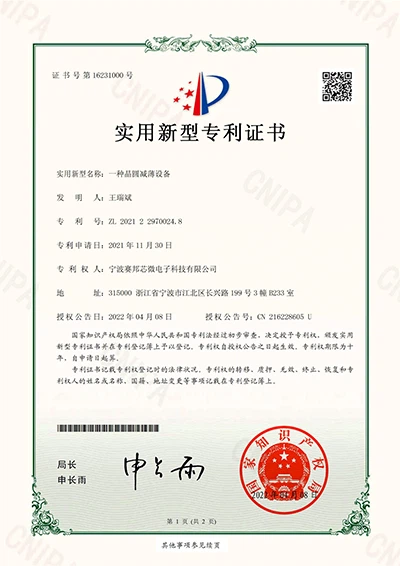
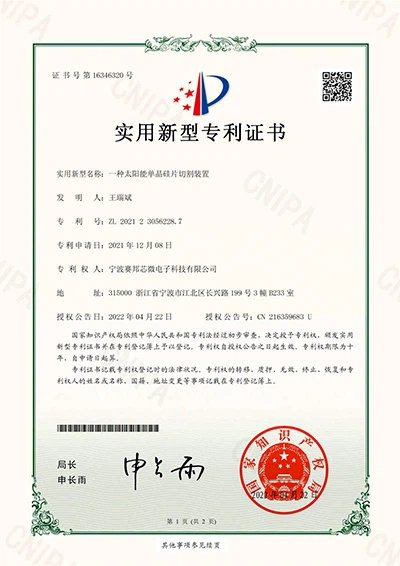
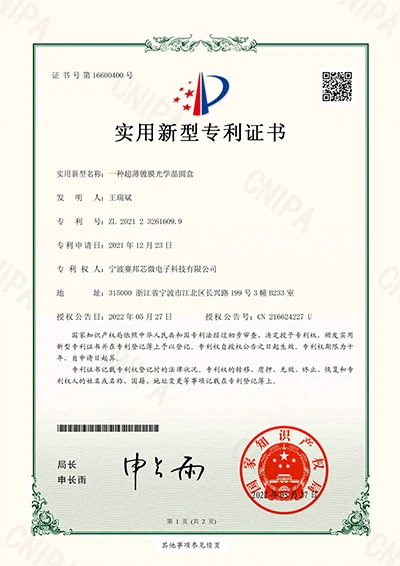
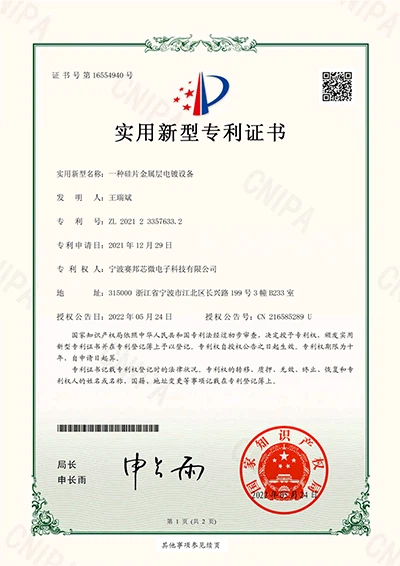
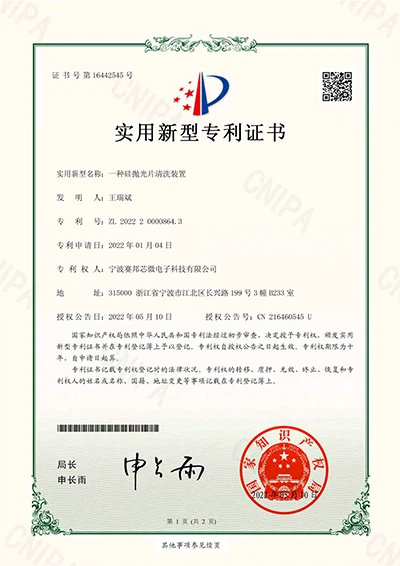
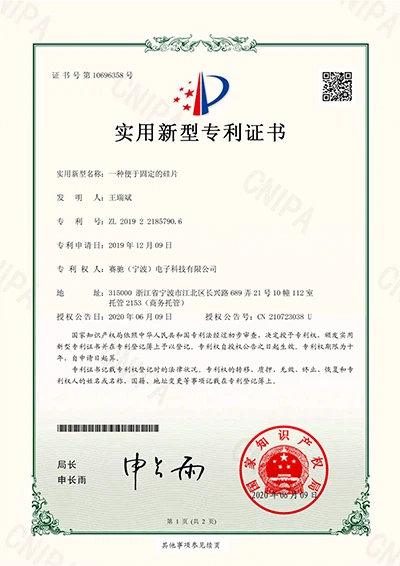
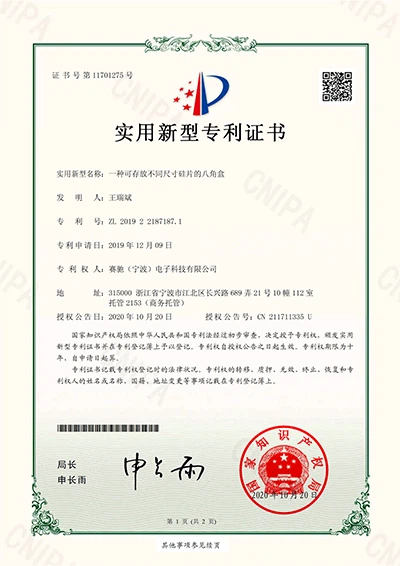
Our Certificate
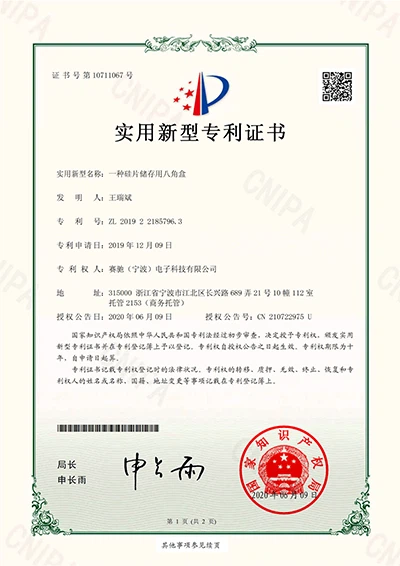
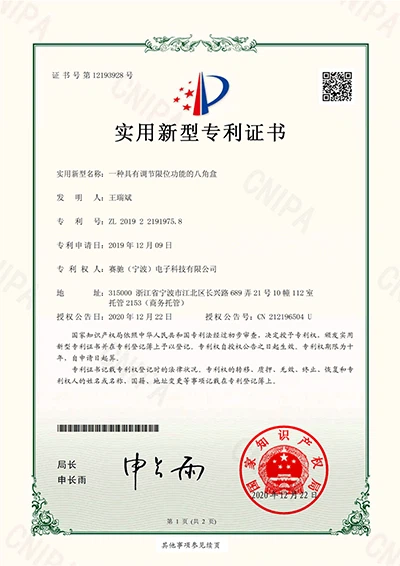
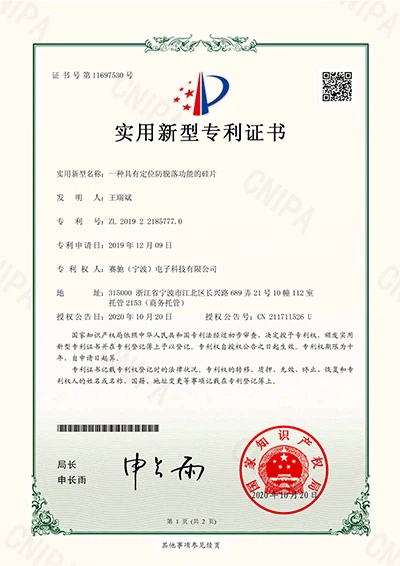
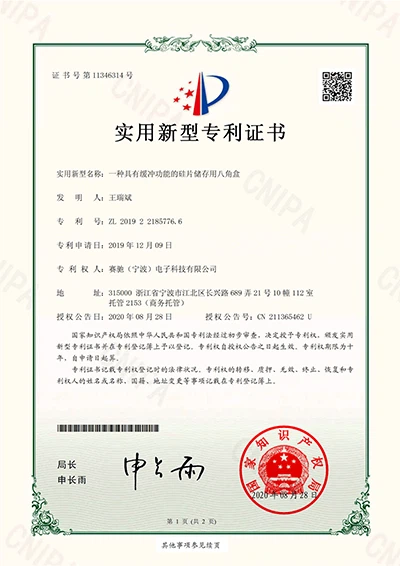
Our company takes pride in the various certifications we have earned, including our patent certificate, ISO9001 certificate, and National High-Tech Enterprise certificate. These certifications represent our dedication to innovation, quality management, and commitment to excellence.

Hot Tags: monocrystalline silicon solar panels, China monocrystalline silicon solar panels manufacturers, suppliers, factory, Silicon Photovoltaic Cell


